An Address to the Lebanese Parliament and Government
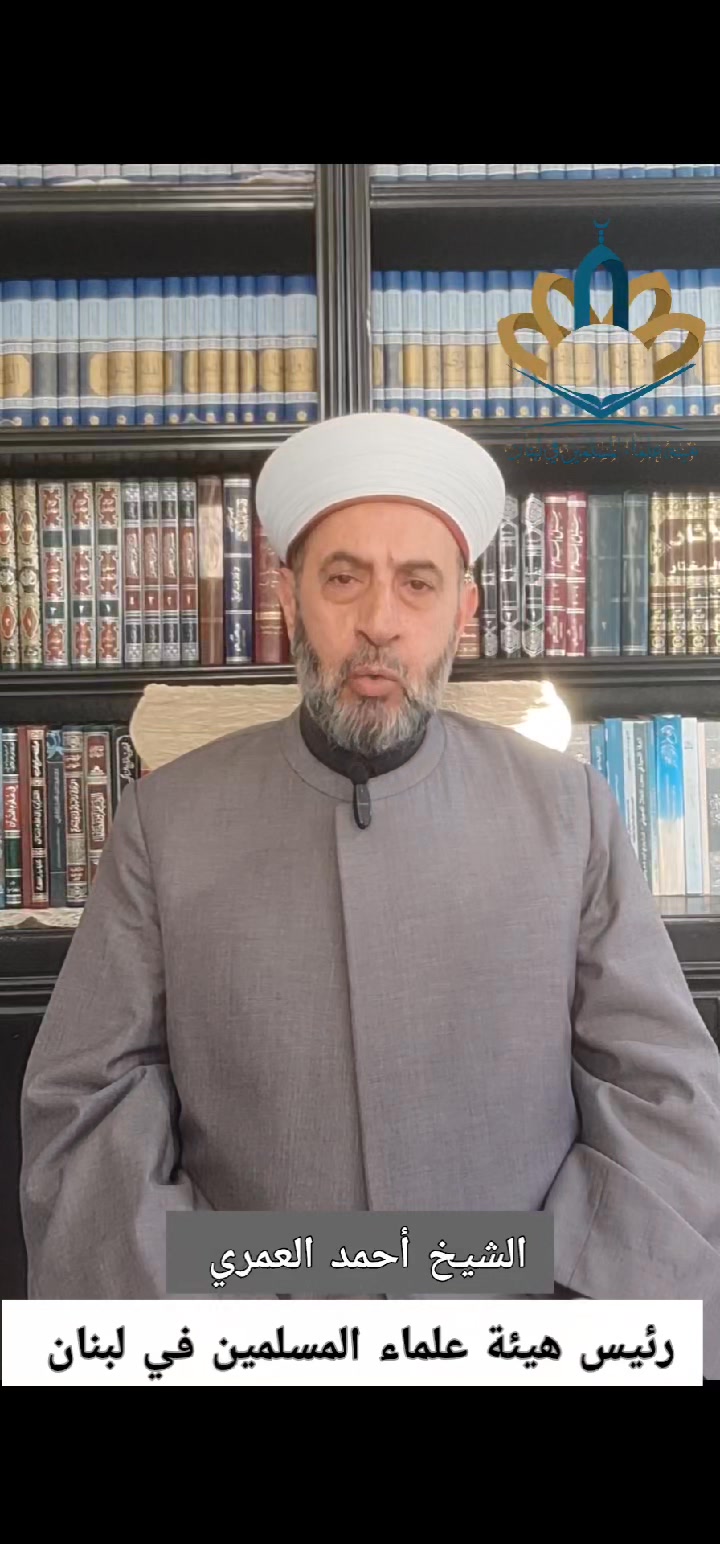
Issued: April 30, 2026 – Dhu al-Qi'dah 13, 1447 AHThe Muslim Scholars Association in Lebanon has issued an open letter addressed to the Speaker and members of the Lebanese Parliament, as well as to the Prime Minister and senior state officials, amid ongoing legislative deliberations over a general amnesty bill. The statement reads:
"Any general amnesty law that fails to encompass all detained Islamists is unequivocally rejected—in form and in substance. Such a law would be placed squarely within the framework of the chronic, relentless targeting of Lebanon's Sunni community."
{ وَسَيَعْلَمُ الَّذِينَ ظَلَمُوا أَيَّ مُنقَلَبٍ يِنقَلِبُونَ } — And those who have wronged will come to know by what overturning they will be overturned. More to follow...
Rationale and Core Demands:
- Rejecting Selective and Bespoke Legislation: The Association categorically rejects any attempt to fragment the amnesty law or tailor it to fit select parties, particularly as grave crimes go unaddressed and collaborators and perpetrators of serious offenses are quietly released.
- Years of Arbitrary Detention: Hundreds of young men have languished in Roumieh prison and other facilities for over fifteen years without fair trials, held on the basis of security communications that have been legally voided, or confessions extracted under physical and psychological duress.
- The Responsibility of Sunni MPs and National Forces: The Association calls upon all honorable parliamentarians—especially those representing Tripoli, Akkar, the Bekaa, Beirut, and Sidon—to take a decisive, historic stand by refusing to endorse any truncated legislation that fails to deliver justice to their long-suffering constituents.
- Civil Peace and the Preservation of Justice: The persistence of oppression, grievance, and marginalization constitutes a ticking time bomb that threatens social stability. The sole pathway to closing this painful chapter is a bold and comprehensive general amnesty.
The Association affirms that it is monitoring the file moment by moment in coordination with all relevant religious and political stakeholders, and reserves the option of peaceful, grassroots mobilization should the legitimate demands of the families of detainees and victims continue to be disregarded.